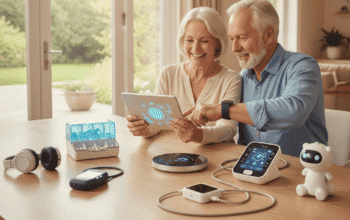
Seniors in Santa Monica live longer and stay active in their neighborhoods. This change pushes families and caregivers to find tools that protect older adults while letting them keep their freedom. Wearable safety devices stand out as a game-changer, helping people handle daily health issues and emergencies along the coast like never before. These gadgets often come with features like fall detection and GPS tracking, which can catch trouble before it gets worse. Imagine a device that acts like a guardian angel on your wrist, ready to call for help at a moment’s notice. This information speaks directly to people seeking smart ways to care for seniors without taking away their independence. Dive into these new tools, because learning how they work could make all the difference in keeping loved ones safe and confident.
This article walks through the ways wearable safety tech supports older adults in Santa Monica. I share real examples, practical tips for choosing devices, privacy points to consider, and local resources that make adoption easier. Read on to see what works for busy families and professionals who want dependable options for senior care.
Wearable Safety Tech Reshaping Senior Care In Santa Monica
Wearable safety devices range from wristbands and pendants to discreet patches and smartwatches. Their common aim is to help detect risks and to connect seniors quickly with help when needed. For residents of Santa Monica these technologies are especially useful because many older adults remain active outdoors and in social settings where immediate access to help may not be available.
Examples include fall detection sensors that call a response center when a hard fall is detected and GPS enabled devices that help locate a person who is confused or lost. The presence of reliable wearables can change how families plan daily routines, outings, and overnight care. Rather than relying on constant in person supervision, wearables provide an extra layer of monitoring that can be checked remotely by family members or care coordinators.
Key features to look for in senior safety wearables in Santa Monica
When evaluating devices consider these practical features that matter in real life.
- Automatic fall detection that triggers an alert without the wearer needing to press a button
- Location tracking that helps pinpoint position outdoors and in larger buildings
- Battery life that lasts through a full day or more with realistic usage patterns
- Water resistance so devices survive showers and beach visits
- Two way communication so the wearer can speak with a responder directly from the device
- Easy wearability so seniors will actually keep the device on during daily activities
Test devices in person when possible and ask about trial periods. A device with many features is only useful if the senior finds it comfortable and straightforward to use.
How wearables improve daily living and emergency response
Wearables can help in simple daily routines and in urgent moments. Both outcomes reduce stress for seniors and their families.
Everyday benefits
Wearables support daily living by tracking steps, reminding wearers about hydration or medication, and providing gentle alerts when unusual patterns appear. For an older adult who enjoys morning walks on the strand, a wrist worn device with step counts and heart rate monitoring helps caregivers spot changes in activity or fitness over weeks and months.
Emergency scenarios
In an emergency a device can save valuable time. A triggered alert sends location and medical data to a monitoring center or chosen contacts. This reduces the time it takes to reach professional help after a fall or sudden illness. Examples from local responders show that early awareness decreases complications after falls especially when response time is shorter.
Privacy, data and consent considerations for seniors using wearable devices
Data flow is a core concern for many older adults and families. When shopping for a system ask how data is stored, who can access it, and how long records are kept. Some companies retain location and health metrics on secure servers that are encrypted while others provide limited local storage only.
Consent matters. Talk with the older adult about what will be shared and set clear rules about notifications. For instance, some families prefer alerts only for critical events while others want ongoing activity summaries. Be explicit about who receives alerts and how to change those settings with the vendor or monitoring center.
Practical tips for families and caregivers in Santa Monica planning wearable adoption
These steps help make the transition smoother and increase the chance that the device will be used regularly.
- Start with a trial so the older adult can wear the device at home for a week before using it outdoors
- Involve the senior in brand and style choices to respect comfort and dignity
- Create a short checklist for charging and testing the device each morning
- Schedule update checks with the vendor to confirm that software is current and sensors are calibrated
- Set up emergency contacts and test the communication chain with a mock alert
Small routines go a long way. A consistent charging habit and a brief weekly check allow issues to be found before an emergency. Community based programs and local health centers often run classes or device demos that build confidence among seniors and caregivers.
Local services, trials and support in Santa Monica
Several clinics, senior centers, and tech shops in Santa Monica offer in person trials and demonstrations. Local nonprofit groups sometimes loan devices for short periods so people can test them in real life. If you want an overview of how wearable safety devices are changing senior services in the region there is a helpful article that collects examples and local perspectives and includes links to community programs you can explore further learn more here.
When contacting local providers ask about demo models, training sessions, and community feedback. Hearing from neighbors who have used a device gives a clearer sense than technical specs alone. Some police and fire departments also run outreach programs that explain how devices can interface with emergency dispatch systems.
Cost, insurance and funding options for wearable safety systems in Santa Monica
Price ranges vary widely from affordable consumer models to subscription services with professional monitoring. Consider both upfront hardware costs and ongoing monthly fees for monitoring or cellular connectivity. Medicare will not typically pay for these consumer devices, but some veterans benefits, private insurers, or city assistance programs may contribute under specific conditions.
Look for local nonprofit grants and pilot programs that subsidize equipment for low income seniors. Employers may include wearable support as part of employee family assistance plans in some cases. Compare total cost of ownership across models and ask vendors to break out hardware, activation, and service fees so you can compare effectively.
Choosing the right device for lifestyle needs in Santa Monica
Matching device features to real daily patterns is the most reliable way to get consistent use. For example, a senior who spends most days outdoors needs strong GPS and battery life. Someone who prefers indoor activities might put a higher value on fall detection and two way voice.
Ask these questions when narrowing choices
- How long will the battery last with typical use
- Is the device comfortable enough to wear during sleep
- How are alerts delivered to family or responders
- What support is available locally for setup and repairs
Trial periods and local vendor support reduce risk. After purchase, create a short orientation checklist for the senior and a backup plan in case the device is lost or damaged.
Wearable safety devices are changing how families and professionals approach senior care in Santa Monica by offering practical monitoring without constant in person supervision. The right device tailored to daily habits and supported by clear data policies can reduce worry and allow older adults to stay engaged in community life. If you are considering a wearable start with a local demo, set a realistic checklist for daily charging and testing, and involve the older adult in decisions so the device becomes part of normal routines. Talk to your health provider and local senior centers about pilot programs or financial assistance that may make adoption easier. Take one step today by trying a demo or scheduling a short trial so you can see how a wearable fits into everyday life and safety planning.